The places
Waterfront, mountain, city
The three kinds of prime asset behave differently in a cycle, cost differently to hold and sell to different people. Which one you are buying matters more than where.
Ask a desk what it sells and it will say houses. Ask a family office what it buys and it will say one of three things: water, mountain or city. The distinction sounds like geography and is actually about how the asset behaves: what makes it scarce, who wants it, what it costs to keep, and what happens to it when the money gets nervous.
Water
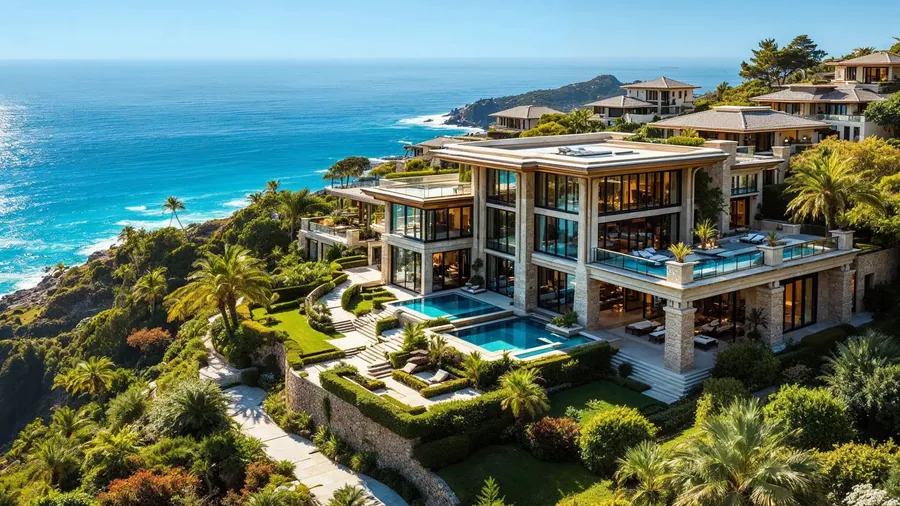
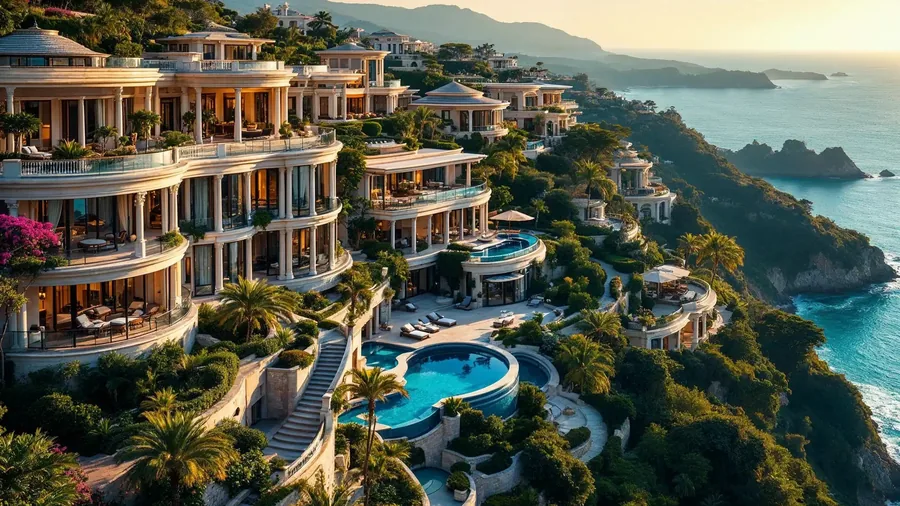
Frontage is the scarcest thing in property because coastlines do not grow and planning has stopped building on them. A cape estate on the Riviera, a lakefront villa on Como, a frontline house in the southwest of Mallorca, a bayfront on the Miami islands: each is one of a fixed number, and the number falls whenever one is bought by a family that never sells. Water holds value through every cycle for that reason, and it is the asset blind listings are written for.
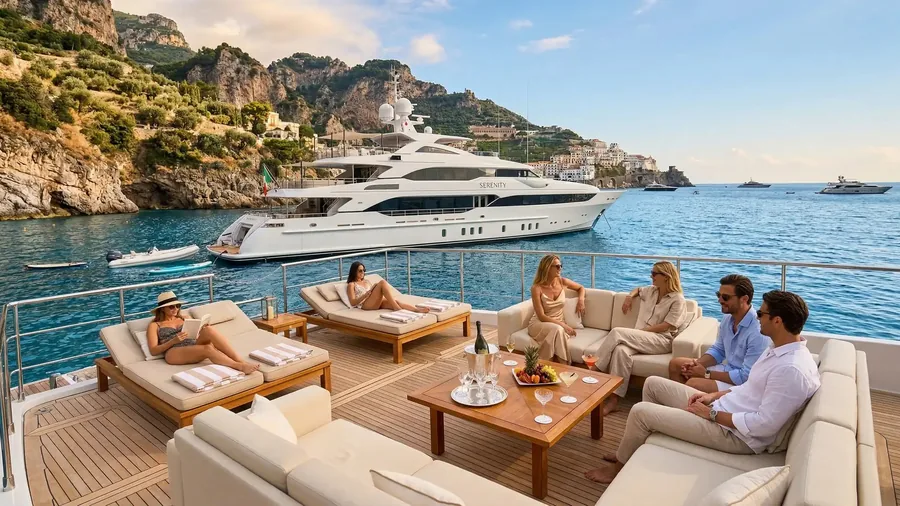
It is also the most expensive to hold. Salt, wind, the seawall, the dock, the insurance on a hurricane coast, the garden that needs water in August. And it is seasonal in the Mediterranean in a way that a city apartment is not, which is why the letting income matters and why the own-or-rent arithmetic is honest here.
Mountain
The alpine markets on this site, St. Moritz and Kitzbühel, are scarce by law rather than by geography. Switzerland stopped new holiday homes in 2012 and rations foreign buyers with a quota; Tyrol restricts second homes and checks. The result is the same as water: a fixed stock and a growing number of people who want it. Mountain assets are the least liquid on the list, three hundred days to sell a Suvretta chalet, and the most stable, because nobody who owns one needs to sell it in a hurry.
They are held in francs or in a jurisdiction with a flat exit tax, which changes the arithmetic; they are cheap to run relative to their price; and they have two seasons, which is one more than the coast.
City
A floor in the 7th, a lateral in Mayfair, a villa in Herzogpark, a palace floor inside the Ring. City assets are scarce by address: the number of Haussmann floors with a view of the dome is fixed, but the number of very good apartments in Paris is large, and the market is deep, liquid and priced by comparables. Cities are cheapest to hold in Europe, most expensive in America, most liquid everywhere, and least prone to the ten-week-season problem. They are also where the currency question lives, because London and New York are priced in someone else's money.
A family should own one of each and know which is which. Most own two of one and call it diversification.
The portfolio instrument, in a sentenceMixing them
The desk's office mandates tend to end with a city floor for the base, a water house for the summer and, where the family skis, a mountain chalet held for the grandchildren. Three assets, three currencies sometimes, three holding-cost profiles, three exit regimes. The portfolio instrument shows what each addition does to the share of wealth in property and how fast the whole position could be sold, which for water and mountain is slowly.
Run the numbers
Portfolio Balance
What the next house does to the share of your wealth in property, and how fast you could sell it all.