
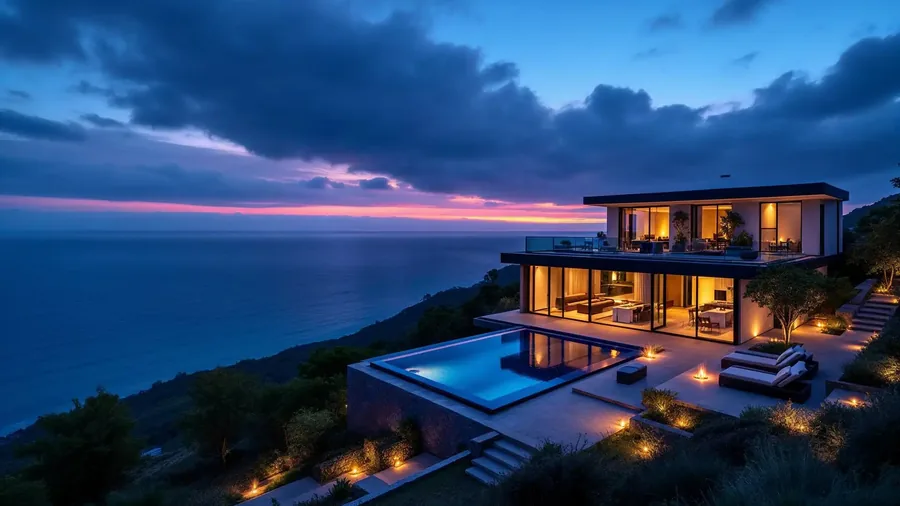
 The places
Residency and property
Where a house still comes with a right to stay, where it never did, and the four markets that have a fence around them. The rules as they stand, and what changed.
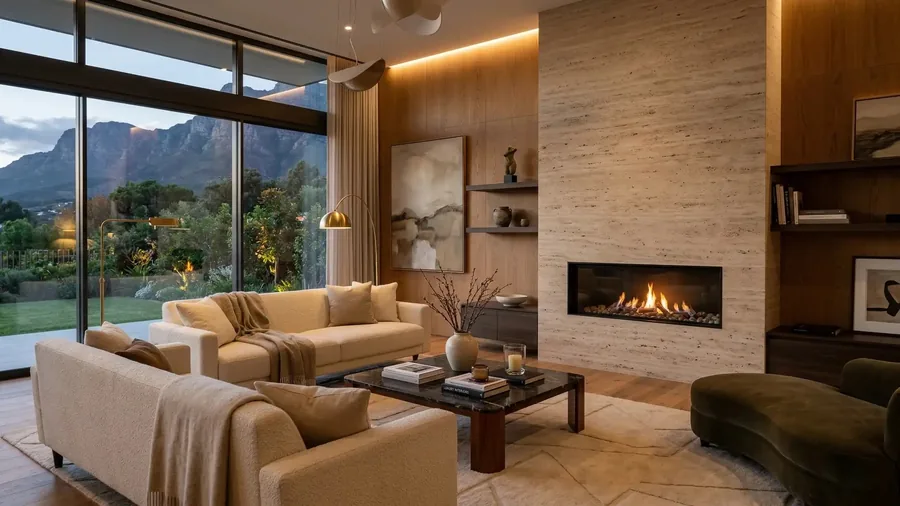
Lake Zurich · Switzerland
The richest lake in Europe and the most restricted: a foreigner without Swiss residence cannot buy a home here at all, and the ones who can compete for a supply that has not grown in thirty years. Zürich is a market of residents, priced by the tax rate of the commune.
The Ranesta Index
Editorial estimate of prime asking bands, September 2026. Not a valuation. Typical entry €5.0 m, trophy from €40 m. Prime marketing time about 150 days.
Where exactly
The short version
Zürich begins with a rule that no other hotspot has. Under the Lex Koller, a foreign national without Swiss residence cannot buy a home in the city or on the lake, full stop. EU nationals resident in Switzerland can buy freely; others need a C permit or a role that justifies residence. The desk's first question here is not what you want but whether you may.
Inside that fence the market is the calmest in Europe. Supply on the Gold Coast has not grown since the eighties; demand comes from a banking and technology economy that pays in francs; and the tax code encourages people to keep houses and carry debt on them. A lakefront villa in Küsnacht is one of a few dozen and is priced as a permanent asset rather than a trade.
The variable is the commune. Switzerland taxes income where you sleep, so the same house is worth more in Wollerau or Zug than in the city because its owner keeps more of what they earn. Buyers who model their tax before their house tend to end up on the Schwyz shore.
Worth knowing
Who is buying
Swiss families and the international executives and founders who have become resident: German, British, American, Scandinavian. Family offices in Zug buy for their principals, not for yield.
What the desk is working on
Lakefront on the Gold Coast at any price, villas in Enge with a garden, and houses in Walchwil with a boathouse. The desk only opens a Zürich mandate for a buyer whose right to purchase has been confirmed.
Buying notes
No transfer tax in Zürich, registry and notary of a few tenths of a per cent; Schwyz and Zug charge modest fees. The purchase is a notarised deed and binding at signature. Wealth tax and the imputed rental value are the running costs, and both are modelled in the holding instrument with the Swiss profile.
Open buyer mandates
The hotspot vote
Questions buyers ask
Only if you are resident in Switzerland with the right permit. EU and EFTA nationals with residence can buy as Swiss do; others usually need a C permit. Holiday homes for non-residents are possible only in designated resorts, such as St. Moritz, and are quota-limited.
Zürich abolished it in 2005. The cost of acquisition is the lowest on this list at well under one per cent. The exit is where the canton takes its share, with a property-gains tax that falls the longer you hold.
The one with the tax rate your income can justify. Zug and the Schwyz shore for the lowest rates; the Gold Coast for the lake, the schools and the twenty minutes to the office. The difference on a large income pays for a house.
Almost certainly. Swiss banks lend two thirds to residents at rates that are low by European standards, interest is deductible, and the wealth tax base falls with the debt. The financing instrument shows the arithmetic.
Read next
The places
Where a house still comes with a right to stay, where it never did, and the four markets that have a fence around them. The rules as they stand, and what changed.
 The private market
The buyers who have quietly become the top of every hotspot: how a family office buys a house, what it wants from a desk, and why sellers prefer it.
The Private Letter
One letter a month: what moved in the hotspots, one anonymised sale explained, one number worth knowing. No advertising, no tracking, one click to leave.